By Igbotako Nowinta
The fight against Illicit Financial Flows (IFFs) in Nigeria received a significant boost, as the African Network for Environment and Economic Justice (ANEEJ) commenced a high-level capacity-building workshop aimed at equipping journalists with the knowledge, tools and investigative skills needed to expose financial crimes and promote accountability in public governance.
The workshop, which began on June 25, 2026, in Abuja, comes on the heels of a similar engagement organized for Civil Society Organizations (CSOs) between June 23 and 24.
Both interventions form part of the project titled “Strengthening CSOs and Media Capacity to Contribute to the Fight Against Illicit Financial Flows in Nigeria,” being implemented by ANEEJ with support from the European Union in Nigeria through the SecFin Africa Project.
The gathering attracted an impressive array of anti-corruption experts, financial intelligence professionals, development partners and media practitioners from across the country.
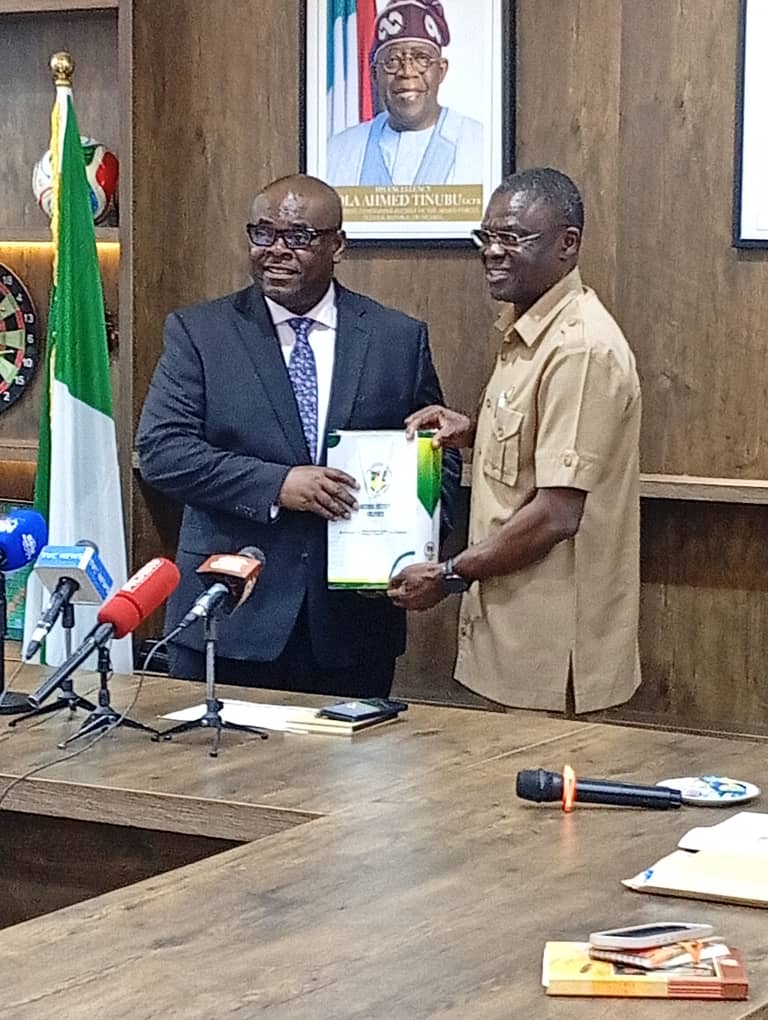
Among those in attendance were Professor Abdullahi Shehu, representative of SecFin Africa; the Director/Chief Executive Officer of the Nigeria Financial Intelligence Unit (NFIU), Hafsat Abubakar Bakari, represented by Ibrahim Muhammed; the Director of the Special Control Unit Against Money Laundering (SCUML) of the Economic and Financial Crimes Commission (EFCC), Mr. Harry Erin, represented by Mr. Mohammed Isa; former EFCC Director, Mr. Aliu Mohammed Yusuf; as well as resource persons from Premium Times and the Institute for Security Studies.
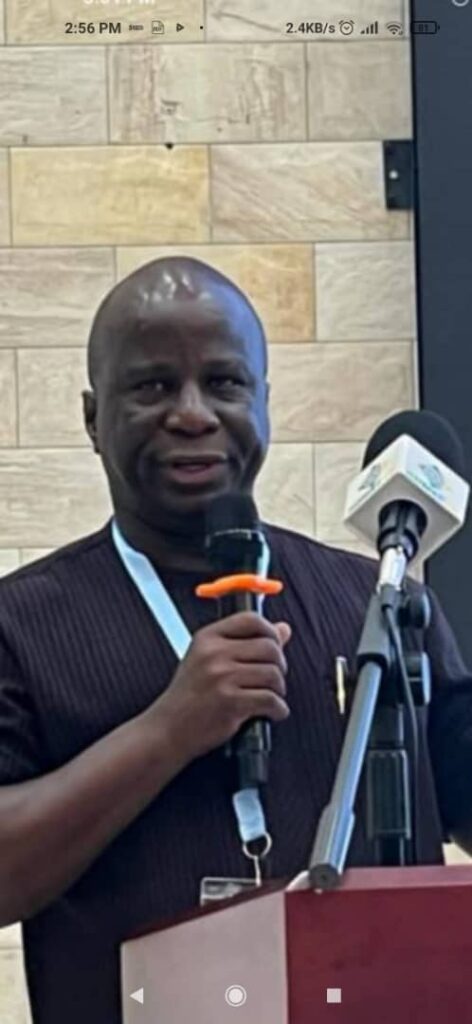
Speaking during the opening session, the Deputy Executive Director of ANEEJ, Mr. Atakpu Leo, who delivered the welcome address on behalf of the organization’s Executive Director, Mr. David Ugolor, underscored the devastating impact of illicit financial flows on Nigeria’s economic growth, democratic institutions and social development.
According to him, illicit financial flows remain one of the most serious threats confronting the nation, depriving government of critical resources needed for infrastructure, education, healthcare and social welfare while simultaneously weakening public trust in governance.
Leo stressed that journalists occupy a strategic and indispensable position in the ongoing battle against financial crimes and corruption.
He noted that through investigative journalism, data-driven reporting, public-interest storytelling and sustained editorial engagement, media professionals possess the capacity to uncover hidden financial schemes, expose procurement fraud, track illicit transactions and amplify citizens’ demands for transparency and accountability.
He emphasized that the media’s watchdog role has become increasingly important in an era where sophisticated financial crimes often transcend borders and involve complex networks of public and private actors.
“The media remains a powerful force for accountability. Through rigorous investigations and evidence-based reporting, journalists can help uncover illicit financial activities, expose corruption and ensure that public institutions remain accountable to the people,” he stated.
Leo acknowledged the various efforts already being undertaken by government agencies and anti-corruption institutions to combat illicit financial flows. However, he maintained that the persistence of the problem demonstrates the need for stronger public oversight, responsible journalism and active citizen participation.
He argued that while regulatory agencies continue to strengthen enforcement mechanisms, sustainable progress can only be achieved when the media, civil society and citizens actively engage in demanding transparency and good governance.
The ANEEJ official further expressed appreciation to the European Union for supporting the initiative through the SecFin Africa Project, describing the partnership as a critical contribution to strengthening accountability mechanisms and enhancing public understanding of illicit financial flows in Nigeria.
He also commended the Nigeria Financial Intelligence Unit (NFIU) and the Special Control Unit Against Money Laundering (SCUML) for their collaboration and commitment toward ensuring the success of the project.
The workshop featured goodwill messages from representatives of the NFIU, SCUML and Premium Times, all of whom reaffirmed the importance of collaborative action among government agencies, media organizations and civil society groups in addressing financial crimes and promoting transparency.
Participants at the workshop were drawn from print, broadcast and online media organizations, reflecting ANEEJ’s determination to build a broad coalition of journalists capable of reporting effectively on illicit financial flows and related accountability issues.
Observers noted that the initiative comes at a critical time when concerns over capital flight, money laundering, tax evasion, corruption and illicit financial transactions continue to pose major challenges to Nigeria’s development aspirations.
By bringing together journalists, anti-corruption institutions and governance experts, ANEEJ is seeking to strengthen public awareness and improve the quality of reporting on financial accountability issues, while fostering a more informed national conversation on transparency, tax justice and sustainable development.
The workshop is expected to enhance journalists’ understanding of emerging trends in illicit financial flows, improve their investigative reporting skills and strengthen media participation in the broader effort to safeguard public resources and promote good governance in Nigeria.
As Nigeria continues its quest for economic recovery, institutional reforms and sustainable development, stakeholders at the workshop agreed that a vigilant, informed and professionally equipped media remains one of the country’s strongest weapons in the fight against illicit financial flows and the quest for greater accountability in public life.