
Why Nigeria Must Move Beyond Asset Recovery to Accountability
By Igbotako Nowinta
“Drawing on ANEEJ’s Monitoring of Recovered Assets in Nigeria (MANTRA) initiative and its experience in Bayelsa State, Ugolor argued that asset recovery is not complete until citizens benefit from the recovered wealth”
Recovering stolen public wealth from abroad may attract international applause. But the real test is not how much money comes home—it is how much reaches the people.
Do recovered assets translate into better roads, schools, hospitals, jobs, social protection and improved livelihoods? Can citizens track the money and verify its impact?
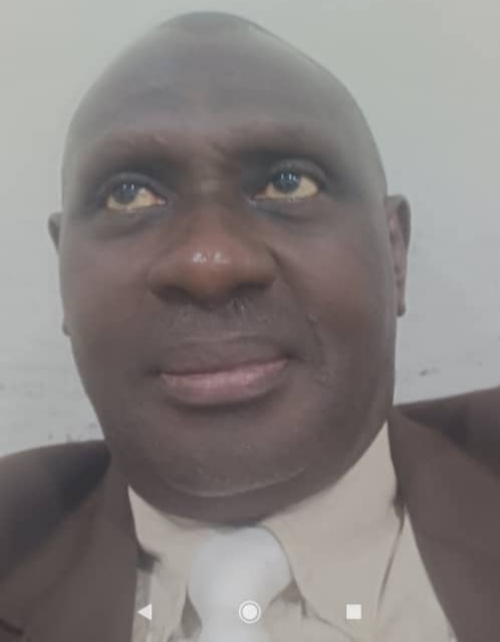
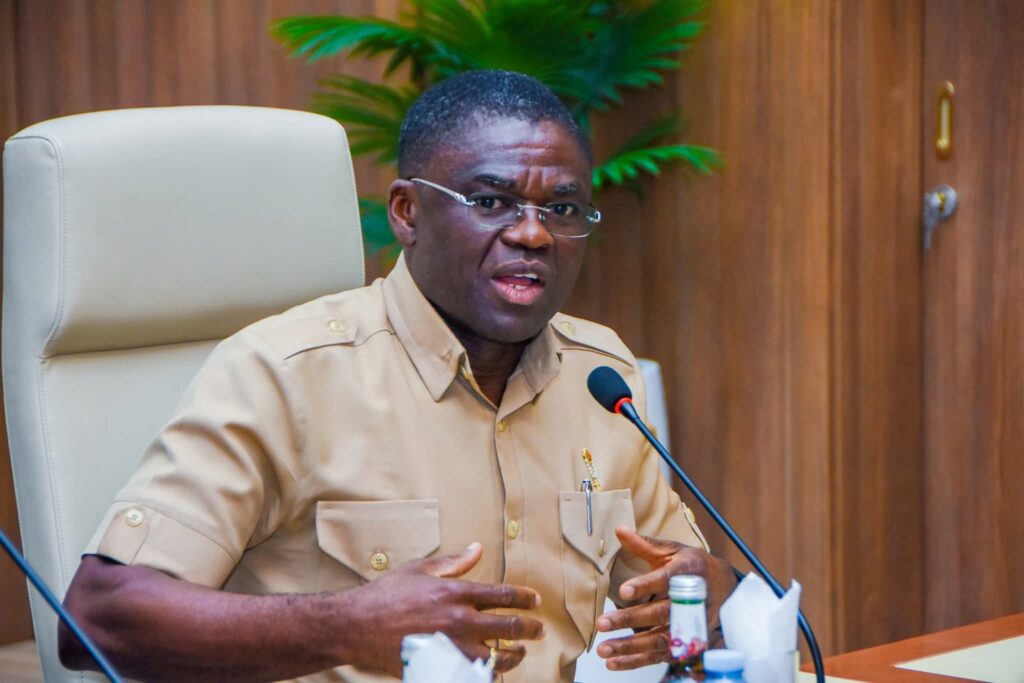
These questions lie at the heart of a powerful message delivered by the Executive Director of the Africa Network for Environment and Economic Justice (ANEEJ), Rev. David Ugolor, at the International Expert Meeting on Asset Return and Sustainable Development, known as “Addis V,” held at the United Nations Conference Centre in Addis Ababa, Ethiopia, from October 6 to 8, 2026.
Drawing on ANEEJ’s Monitoring of Recovered Assets in Nigeria (MANTRA) initiative and its experience in Bayelsa State, Ugolor argued that asset recovery is not complete until citizens benefit from the recovered wealth.
Follow the Money
In January 2018, ANEEJ signed a Memorandum of Understanding with Nigeria’s Federal Ministry of Justice to monitor the utilisation of $322.5 million in recovered Abacha assets allocated to the country’s cash transfer programme.
That initiative gave practical expression to a fundamental question: Would the money actually reach its intended beneficiaries?
Through MANTRA, ANEEJ worked with eight partners, mobilised more than 114 civil society organisations and engaged over 1,456 field monitors to track the funds, assess implementation and identify accountability gaps.
The lesson was clear: announcing the recovery of stolen assets does not guarantee transparency. Citizens must be able to verify how the money is spent and what it achieves.
But effective monitoring requires access to information. Budgets, contracts, expenditure records, implementation schedules and beneficiary data must be accessible and timely. Monitors also need adequate resources, technical capacity and security to perform their duties safely.
Accountability cannot thrive where information is withheld and those demanding answers are left unsupported.
Bayelsa: Accountability Beyond Paperwork
ANEEJ’s experience in Bayelsa State reinforces this lesson.
Approximately ₦1.4 billion was returned from the United Kingdom to Bayelsa State in connection with the case involving former governor DSP Alamieyeseigha.
Under a monitoring arrangement, ANEEJ scrutinised three major infrastructure projects, examining contracts, expenditure, implementation timelines and conditions at project sites. It also engaged beneficiaries and conducted technical assessments.
The exercise identified progress alongside gaps in community communication and variations in implementation quality and pace.
The implication is significant: a project may exist on paper without fully meeting the needs of the people it is intended to serve.
Communities must therefore be informed about projects funded with recovered assets. They must be able to ask questions, report deficiencies and participate in assessing results.
Recovery Without Accountability Is Not Development
Nigeria must guard against recovered wealth becoming vulnerable to waste, diversion, weak procurement and opaque spending.
Recovering stolen money does not automatically produce development. Only transparent and effective utilisation can turn restitution into public value.
Civil society participation must therefore be embedded in the asset-recovery process from the beginning. Regular publication of asset-tracking reports, joint training, information sharing and community feedback mechanisms should become standard practice.
Nigeria’s Proceeds of Crime (Recovery and Management) Act provides an important legal framework. The priority must now be to ensure that asset management places sufficient emphasis on transparency, independent monitoring and measurable development outcomes.
The central questions should extend beyond how much was recovered:
How much reached the people? What was achieved? And what changed because the money came home?
The Citizen Must Be the Final Beneficiary
When public wealth is stolen, citizens lose twice: first, through the theft itself, and again through the schools, hospitals, roads, jobs and opportunities that the stolen resources could have provided. They must not suffer a third loss through poor management after the money has been recovered.
ANEEJ’s MANTRA initiative demonstrates the value of citizen-led monitoring, while its Bayelsa experience highlights the importance of taking accountability beyond government offices and into communities.
The message extends beyond Nigeria. Governments can negotiate the return of stolen wealth, courts can order forfeiture, and international partners can facilitate restitution. But the true measure of success is what ordinary citizens gain.
Can they see the benefits? Can they verify the expenditure? Can they demand answers when things go wrong?
If not, asset recovery risks becoming another financial transaction that fails to deliver meaningful development.
Nigeria must therefore move beyond celebrating recovered billions to demonstrating tangible benefits for its people.
Do not measure asset recovery merely by what comes back. Measure it by what reaches the people.
Because when stolen public wealth comes home, its final destination should not be another government account. It should be the citizen.
Igbotako Nowinta is a serial author, social critic, international conflict resolution expert, Editor-at-Large of Alltimepost.com, Boston, Massachusetts, USA, and Executive Director of the Nigeria Good Governance Research Centre (NGGRC).